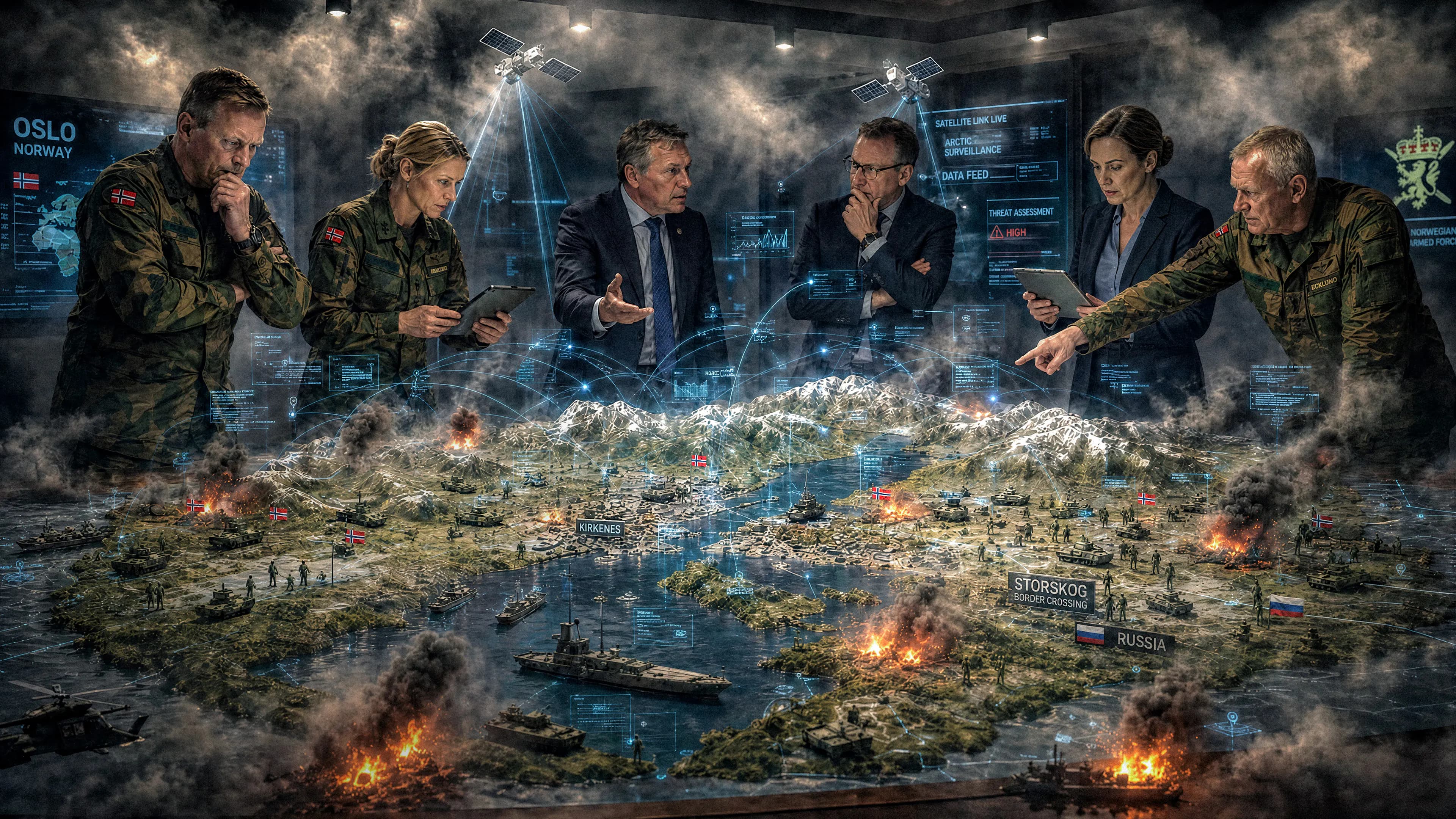
Cyber attacks are war.
Just invisible.
We make the invisible visible by mapping cyber risk to terrain, movement and strategy, giving decision-makers the situational awareness to anticipate the adversary, understand their exposure and act with confidence. Let the game begin.
Experience from leading organizations
Decision-makers struggle to visualize
cyber risk and attack methods.
Cyber is now a critical operational domain across every sector.
But most security frameworks remain too technical, disconnected from how leaders assess financial, market, reputational, or operational risk.
Nexxera bridges this gap by translating cyber risk into terrain, movement, and strategy. A shared situational overview in the shortest possible time.
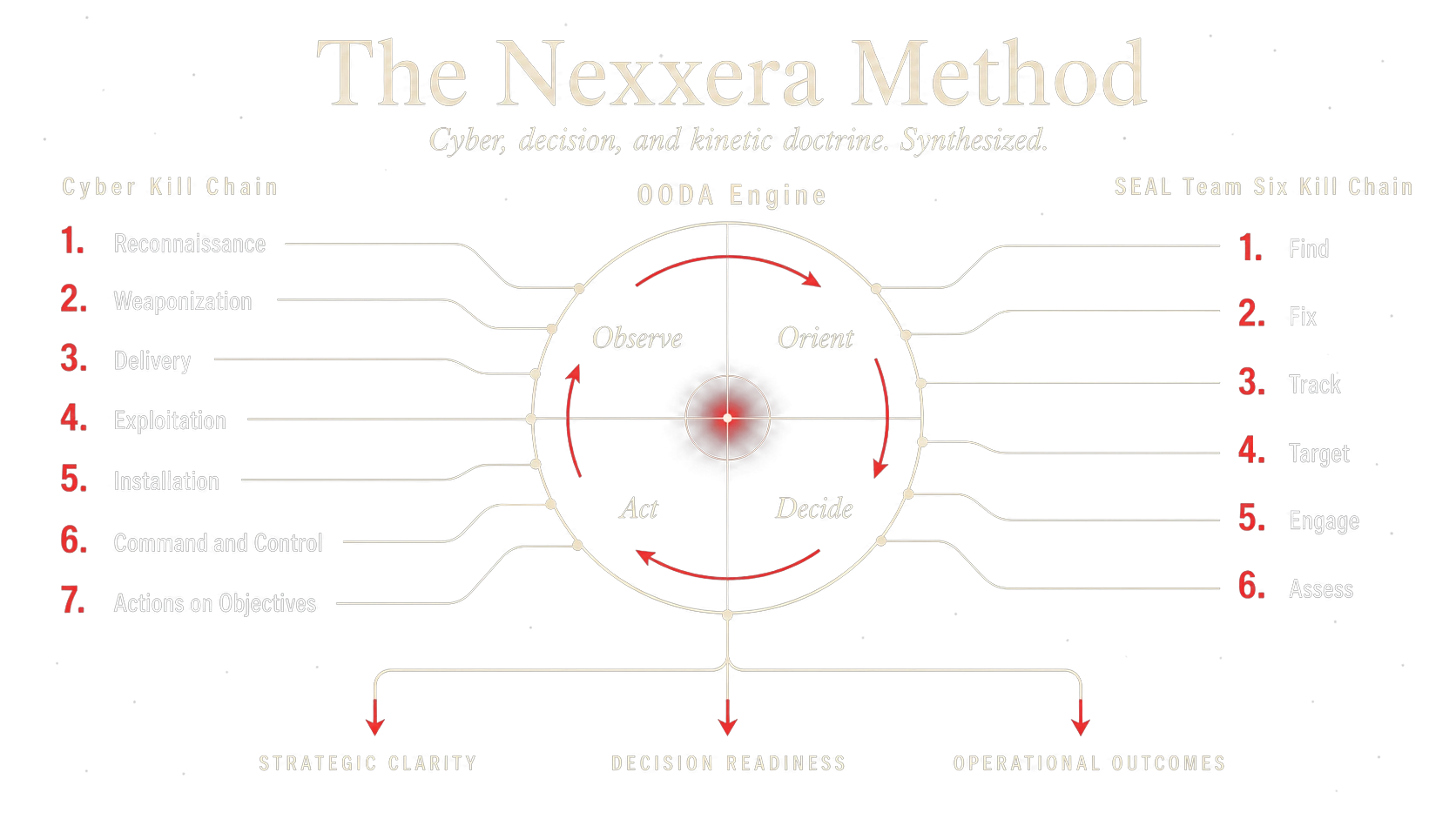
Built on the Cyber Kill Chain (Lockheed Martin), the OODA loop (John Boyd) and the special operations SEAL Team Six Attack & Destroy kinetic kill chain (F2T2EA).
The principles are the same.
The domain is new.
We apply principles from military operational doctrine, special operations planning, and terrain analysis to transform cyber complexity into visual operational clarity.
Elevation, forests, mountains, valleys, and avenues of approach become network topology, services, applications, data flows, and exposure zones.
The result is a digital war map of your organization. A common situational picture leaders can read at a glance and act on together.
Read the full method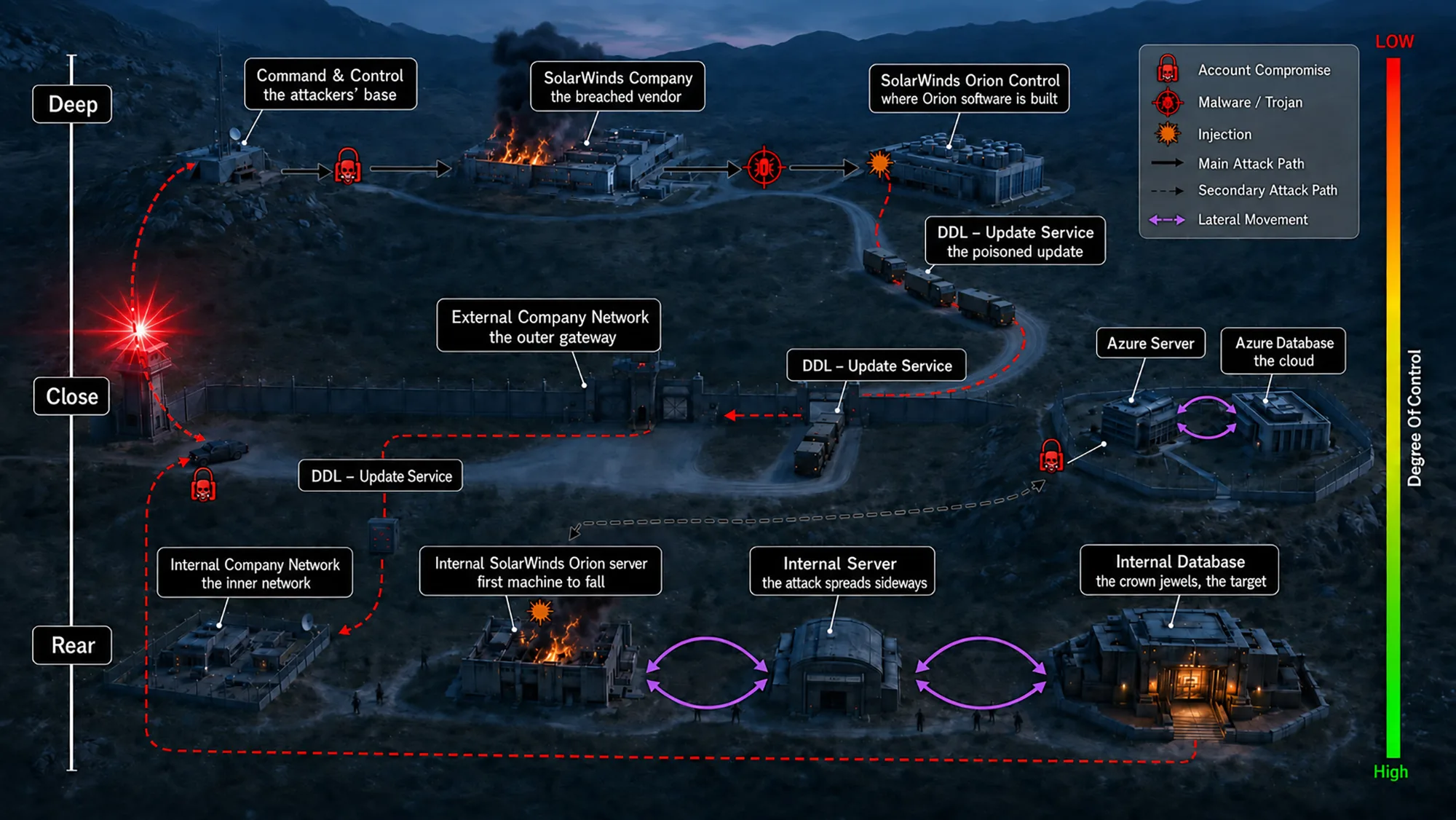
The same information. A different language.
Tracks the threat
Checklists are static and frozen in a single version. A terrain map updates the same day the threat picture shifts. You get a defence that follows reality.
Shared language
Decision-makers read maps faster than reports. When everyone sees the same picture, the discussion shifts from terminology to priorities. Expert vocabulary stays with the experts.
Builds on frameworks
We don't replace ISO 27001 or NIST. The map builds on these frameworks and translates what you're already obligated to do into something decision-makers can actually decide on.
One workshop.
One scenario.
Your leadership builds a shared, visual understanding of cyber exposure and resilience under pressure.
Through terrain mapping and attack simulation, complex risk becomes a language your decision-makers, leadership, and operations can act on collectively.
Read the full workshop overview- I
Orientation
We draw the business's digital terrain. What you have, where it sits, and who controls each part.
- II
Assessment
We place the threat actors on the map. APTs, criminals, insiders and hacktivists have different motives and different routes in. We play through known attacks on your terrain.
- III
Defence
We draw in the effects. What gets secured, what gets trained, what gets monitored, what gets controlled. Each effect is matched with concrete measures across technology, process or people.
- IV
Play
We test the plan against the threat. Decision-makers decide in real time and score the plan against five questions. The winning plan gets adopted.
After the simulation you have
- Terrain map of your digital business
- Threat simulation run on your map
- Defence plan with scored measures
- Decision document for the minutes
- Protection calibrated to your ambition
What it changes
- Shared language in leadership
- Decisions at the right level
- Defence that follows the threat
- Builds on ISO 27001 and NIST
- Stronger defence at lower cost
The fourth domain



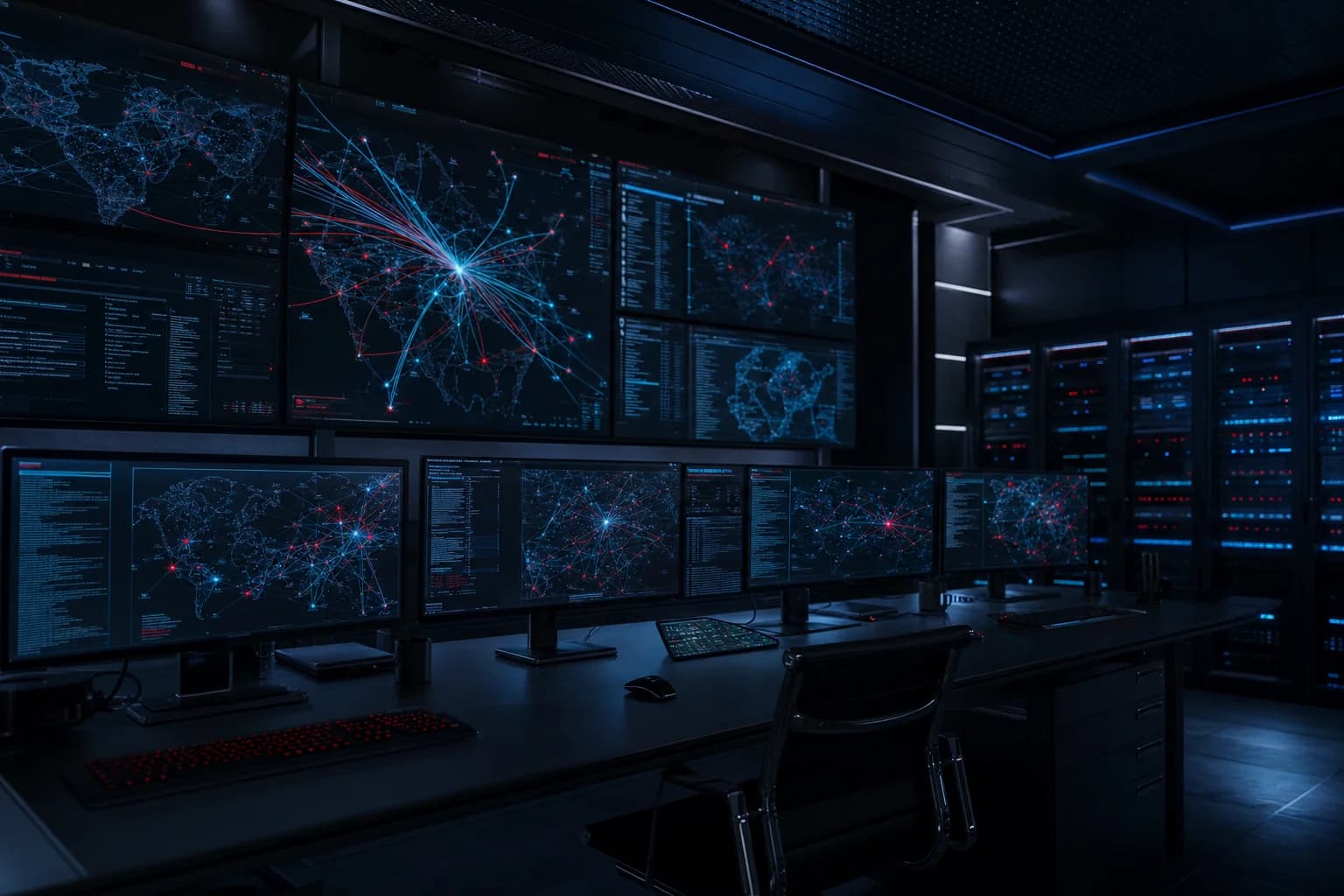
Five questions
decision-makers must ask before approving a plan in the fourth domain.
- Do we truly understand our operational exposure and our most critical digital dependencies?
- Are we investing in the areas that reduce the greatest operational and business risk?
- How resilient were we despite a successful attack?
- Does everyone in the business share a common understanding of cyber risk and how to prioritise measures?
- Is cyber security a natural part of the business strategy?
Each question opens up themes like ROI, residual risk, the RACI matrix, alternative approaches and future-proofing.
We'd love to hear from you.
Get in touch for a no-obligation conversation.
info@nexxera.no